

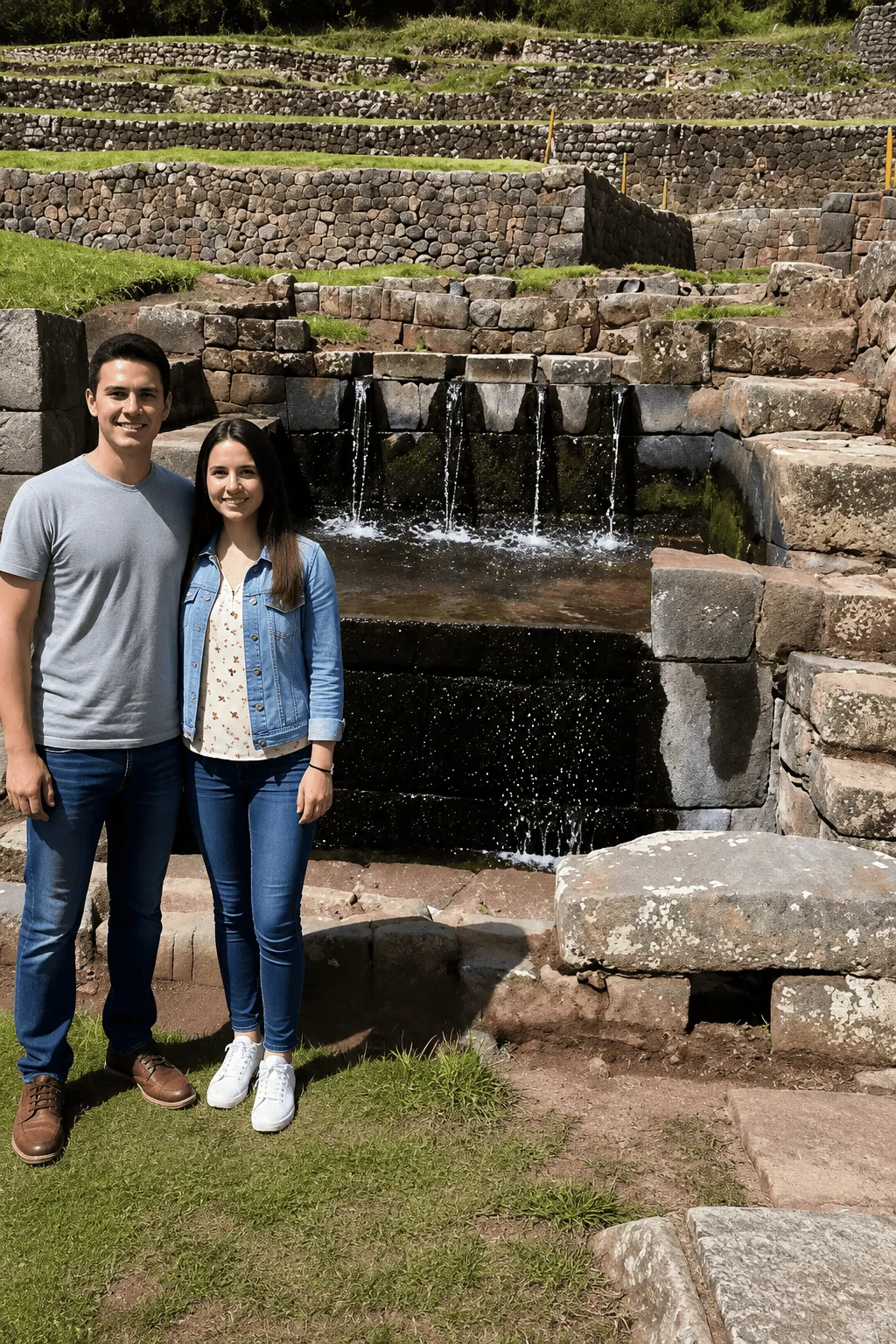
At Tipón, just beyond Cusco, water still moves through channels designed by the Incas more than five centuries ago. It is an encounter with engineering, patience and a profound understanding of the land.
Tipón: where water still speaks
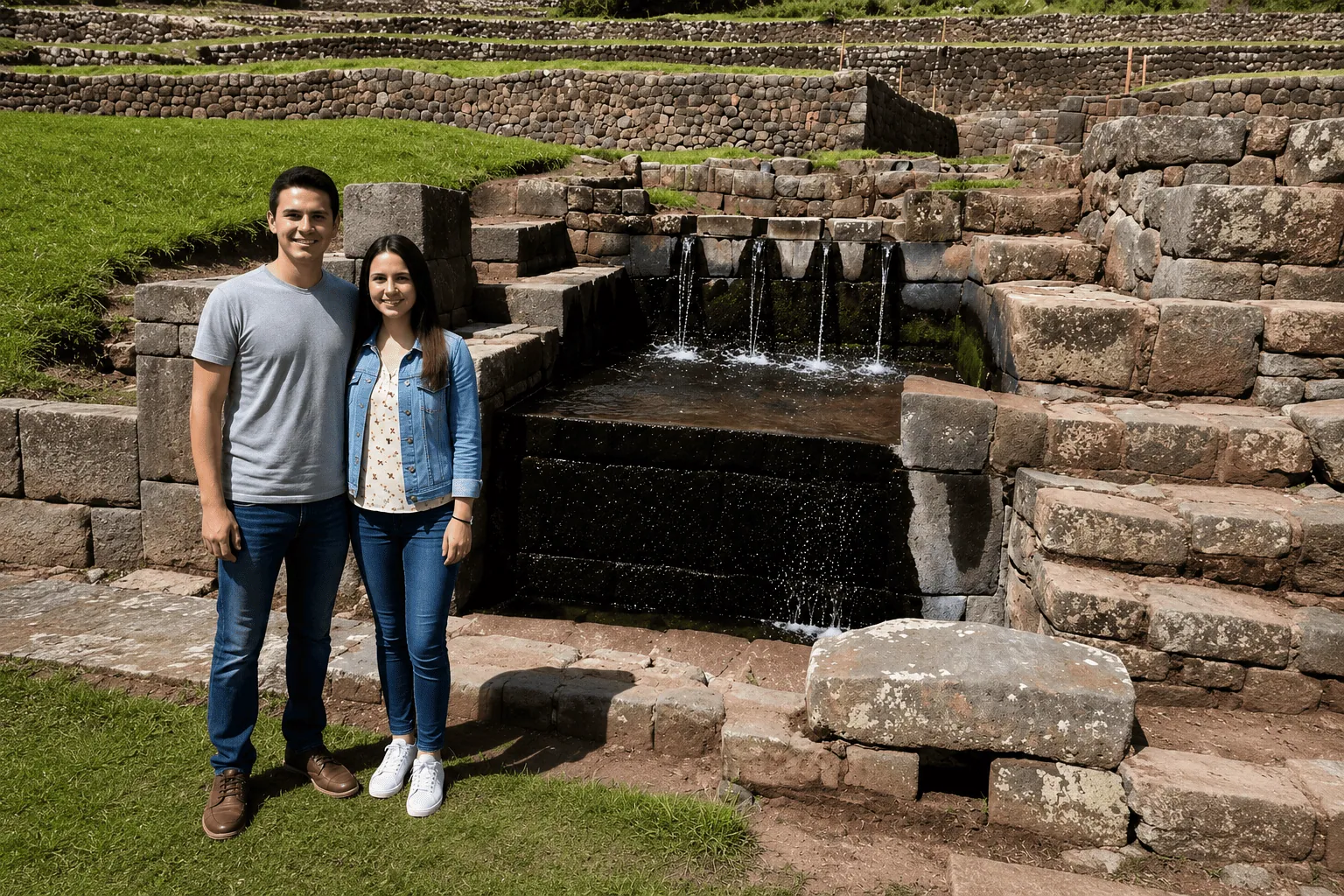
The terraces of Tipón are arranged beneath the mountains with fountains, canals and stone basins that guide spring water with remarkable precision. The system continues to flow today without pumps or modern technology.
It is easy to see why the site is considered one of the Andes' great hydraulic marvels: every drop appears to have a purpose.
Engineering in harmony with nature
Rather than forcing water through the landscape, Inca builders worked with the slope, the springs and the natural rhythm of the valley. Carefully graded channels carried water to each terrace while drainage protected the structures in the rainy season.
The result was both practical and beautiful: an irrigation system that supported cultivation while turning water into a visible part of the architecture.
A living classroom
Tipón may have served as a place to test agricultural methods and water management. Its terraces, soils and changing elevations created conditions for observing how crops responded to different environments.
The site reveals a civilization that treated farming as knowledge—something to be measured, shared and refined across generations.
Water as ceremony
For the Incas, water was never merely a resource. Springs, rivers and channels connected people to the sacred landscape and to Pachamama.
At Tipón, the sound of flowing water becomes part of the experience: a reminder that utility, beauty and reverence can exist in the same design.
A lesson for the present
In a world increasingly concerned with water scarcity, Tipón offers a lesson in resilient design. Its channels still function because they respect the land rather than exhaust it.
The wisdom of the Incas remains present in every terrace and every fountain: work with nature, and it will continue to sustain life.